

Customized Metal-Building Solutions for Specialized Needs Across Commercial, Industrial, and Agricultural Sectors
The success of these structures comes from their ability to meet highly specific functional requirements without sacrificing structural strength or future adaptability. ”
SLIDELL, LA, UNITED STATES, December 11, 2025 /EINPresswire.com/ -- — Jules Albert III
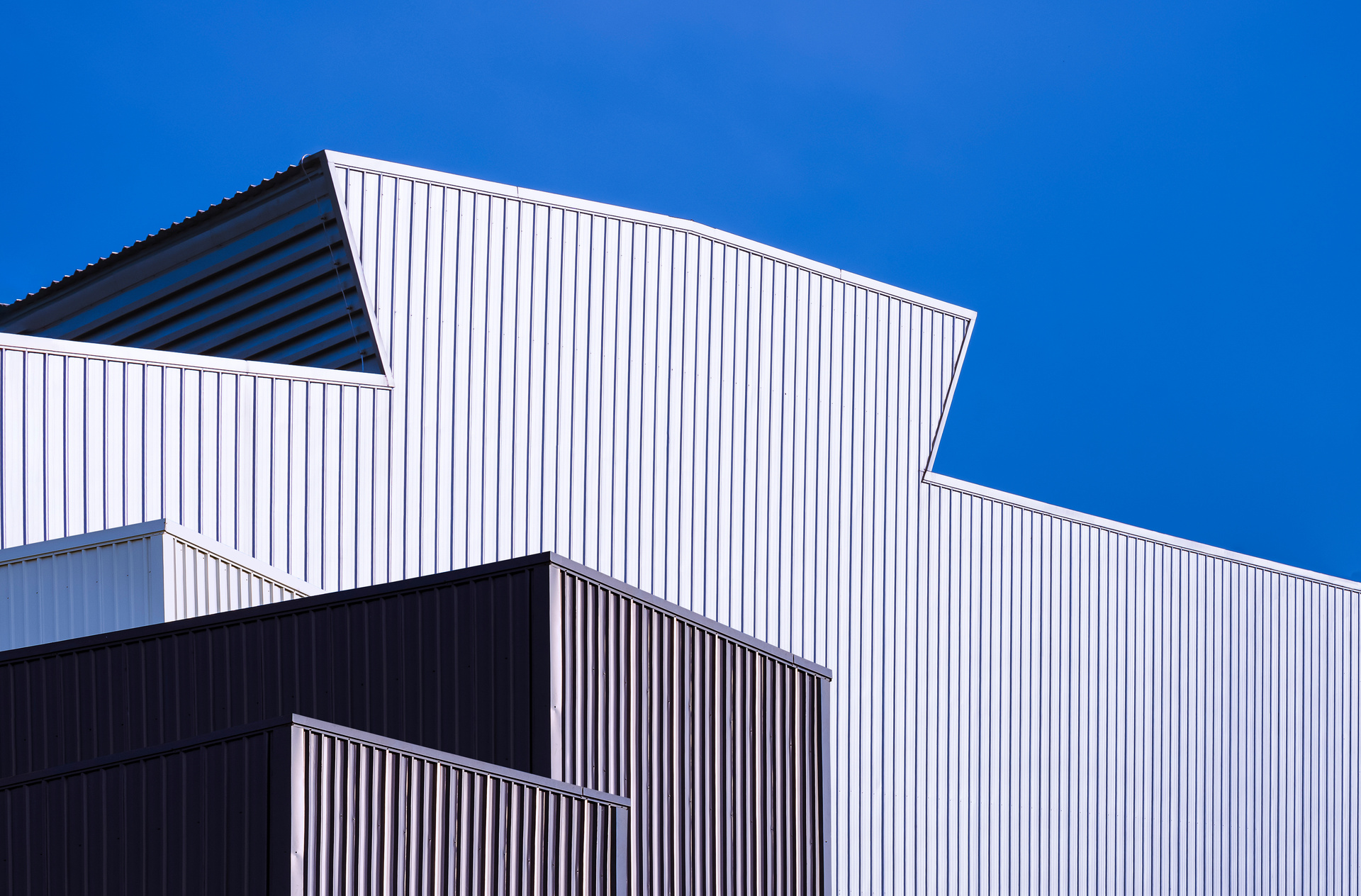
Metal-building construction has become one of the most adaptable approaches for businesses and property owners seeking durable, scalable, and customizable structures. From warehouses and retail spaces to agricultural facilities and mini-storage complexes, metal buildings offer design flexibility that supports a wide range of operational needs. As industries evolve and space requirements shift, more organizations are turning to engineered steel structures to address long-term growth, performance expectations, and environmental demands.
Jaymar Construction LLC in Slidell, Louisiana continues to see expanding interest in metal-building applications across multiple sectors. According to owner Jules Albert III, "The success of these structures comes from their ability to meet highly specific functional requirements without sacrificing structural strength or future adaptability. Metal systems create opportunities for tailored layouts, integrated storage solutions, wide-span interiors, and specialized workflow configurations that would be difficult or costly to replicate with traditional construction methods."
Metal buildings serve as an ideal foundation for warehouse operations. Clear-span interior designs eliminate the need for load-bearing walls, creating open environments that support racking systems, large equipment, forklifts, and high-volume traffic patterns. The predictable structural geometry allows for efficient HVAC planning, improved lighting distribution, and integrated loading zones. As storage demands rise, warehouse expansions can be completed with minimal disruption.
Mini-storage facilities are another major application. Metal construction supports long rows of uniform units, climate-controlled corridors, and secure access points. Insulated panels, partition systems, roll-up doors, and integrated drainage layouts allow owners to configure spaces for personal storage, business inventory, recreational vehicles, boats, and seasonal equipment. These facilities adapt easily to growth, enabling additional units or expanded wings without major reconstruction.
Retail developments also benefit from metal-building flexibility. Open floor plans give business owners the freedom to arrange displays, shelving, and service areas according to operational needs. Façade customization, storefront integration, and signage options provide the appearance of traditional commercial construction with the structural reliability of steel framing. Retail tenants value uninterrupted interior spans and adaptable mechanical layouts that support long-term occupancy.
Agricultural facilities rely heavily on steel buildings due to Louisiana’s climate and the demands of modern farming operations. Metal barns, equipment storage buildings, livestock shelters, feed structures, and crop-processing facilities withstand humidity, high winds, and seasonal weather changes. Large interior clearances allow for farm machinery, bulk storage, and climate-sensitive agricultural products. Ventilation systems and insulated panels help regulate temperature and airflow inside the structure.
Manufacturing operations also depend on metal-building solutions for machinery housing, assembly lines, distribution operations, and fabrication processes. Steel frames accommodate overhead cranes, reinforced flooring, electrical conduit runs, sound-reduction materials, and integrated fire-suppression systems. These buildings support evolving production needs as equipment changes or factory footprints expand.
One of the most valued characteristics of metal-building systems is scalability. Businesses facing growth can extend their structures with matched framing components and compatible exterior panels. Expansions attach seamlessly, maintaining building integrity and visual continuity. This approach minimizes downtime and avoids the complicated demolition work required with other building methods.
Durability plays an equally important role. Metal buildings resist rot, pests, moisture damage, and many environmental stressors common in southern climates. With proper maintenance, steel structures maintain performance across decades, offering predictable long-term value. Modern coatings, insulation systems, and engineered fasteners strengthen the building envelope while supporting energy-efficient operation.
Safety and code compliance remain central considerations in metal-building construction. Structural engineers design these systems to meet wind-load, snow-load, and seismic requirements specific to each jurisdiction. Along the Gulf Coast, wind resistance is particularly important. Engineered steel systems incorporate reinforced connections, appropriate anchoring methods, and optimized framing patterns that match regional building codes.
Another benefit of metal-building construction lies in project efficiency. Pre-engineered components arrive ready for assembly, reducing on-site preparation time. This accelerated process supports businesses with tight construction timelines, relocation schedules, or operational expansions. Predictable installation sequencing also reduces disruptions at active job sites.
Interior customization continues to expand as design technology advances. This includes mezzanines, offices, restrooms, HVAC layouts, electrical planning, climate-controlled zones, loading docks, partition walls, and built-in storage systems. Metal buildings no longer represent simple open shells; they can function as fully outfitted, highly specialized structures tailored for complex operations.
Environmental considerations influence many modern construction decisions, and metal buildings align well with sustainability goals. Steel remains one of the most recycled materials worldwide, and many building components incorporate recycled content. Insulated metal panels support energy efficiency by reducing temperature fluctuations and lowering mechanical loads on HVAC systems.
Jules Albert III noted that the versatility of metal-building solutions has transformed how businesses approach long-term planning. Instead of viewing facilities as fixed structures, owners increasingly see them as adaptable frameworks that can evolve as operational demands change.
From small storage buildings to expansive industrial complexes, metal structures provide a reliable path for businesses seeking performance, customization, and long-term value. Their adaptability makes them suitable for companies upgrading existing facilities, expanding into new markets, or designing specialty structures for unique operational requirements.
As industries shift to meet new economic and logistical challenges, metal-building construction continues to offer an efficient and flexible foundation for growth. Whether used for warehousing, retail, agriculture, manufacturing, or storage, these buildings provide the structural capability needed to support evolving business environments.
Morgan Thomas
Rhino Digital, LLC
+1 504-875-5036
email us here
Visit us on social media:
Facebook
Legal Disclaimer:
EIN Presswire provides this news content "as is" without warranty of any kind. We do not accept any responsibility or liability for the accuracy, content, images, videos, licenses, completeness, legality, or reliability of the information contained in this article. If you have any complaints or copyright issues related to this article, kindly contact the author above.
