

California Balcony Inspection Laws SB 326 and SB 721 Continue to Raise Compliance and Safety Questions
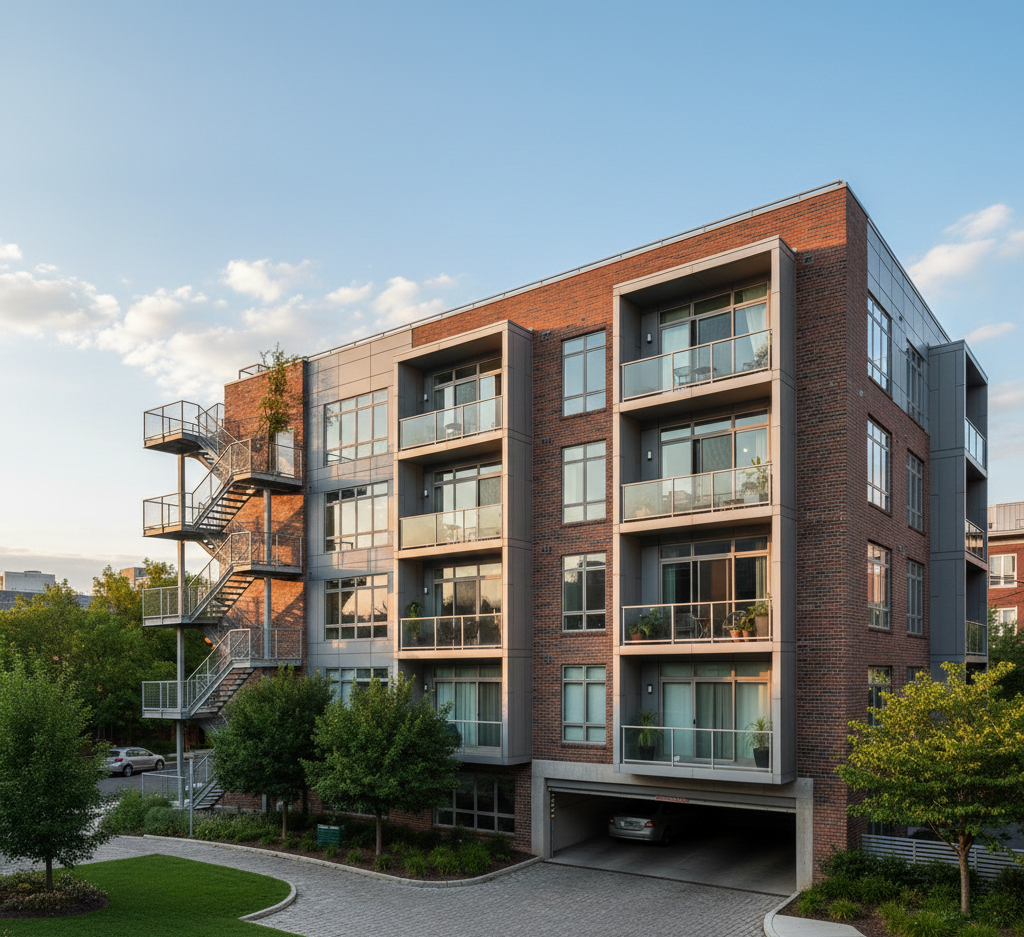
Exterior elevated elements such as balconies and stairs are the focus of California inspection laws SB 326 and SB 721.
An overview of how California’s SB 326 and SB 721 differ, which properties they apply to, and why understanding compliance responsibilities is critical.
HONOLULU, HI, UNITED STATES, December 16, 2025 /EINPresswire.com/ -- California’s balcony inspection laws, SB 326 and SB 721, continue to generate questions among condominium associations, apartment owners, and property managers as enforcement and compliance deadlines approach. The two laws, while addressing similar structural safety concerns, apply to different property types and impose distinct responsibilities.According to Lance Luke, a national building expert with more than four decades of experience in construction, inspection, and building safety, confusion between the two statutes remains widespread.
“Both laws were created to address the same underlying risk—hidden structural deterioration in exterior elevated elements—but they operate under different legal frameworks,” Luke said. “Understanding which law applies to a specific property is essential, because the responsibilities and consequences for non-compliance are not the same.”
SB 326 applies to condominium associations governed under the Davis-Stirling Common Interest Development Act. The law requires associations to inspect certain exterior elevated elements that are exposed to weather, elevated above ground level, and supported substantially by wood. Compliance responsibility rests with association boards, making the requirement closely tied to governance and fiduciary obligations.
SB 721, by contrast, applies to apartment buildings and other multi-unit rental properties. Under this statute, inspection responsibility lies with the property owner rather than an association board. While both laws address balconies, decks, exterior stairs, and elevated walkways, they differ in inspection cycles, enforcement mechanisms, and professional requirements.
Luke noted that many structural failures occur out of sight, often due to long-term moisture intrusion and failed waterproofing systems that allow wood decay to progress unnoticed. “These are not cosmetic issues,” he said. “They are structural conditions that can worsen quietly over time until a sudden failure occurs.”
Both SB 326 and SB 721 were enacted following fatal incidents that exposed the dangers of concealed deterioration in wood-supported exterior elements. The legislation reflects a broader shift toward preventive inspections intended to identify risks before they result in injury, loss of life, or significant property damage.
Industry professionals emphasize that early inspections allow owners and boards to plan repairs strategically, while delays can lead to emergency conditions, higher costs, and increased liability exposure. As enforcement continues, confirming which law applies to a given property has become a critical first step toward compliance.
About Lance Luke
Lance Luke is a nationally recognized building expert, author, and educator with over 40 years of experience in construction management, inspections, and building safety. His work focuses on structural integrity, risk reduction, and life-safety issues affecting residential and commercial properties.
Disclaimer
This press release is provided for informational purposes only and does not constitute legal, engineering, or professional advice. Property owners and associations should cons
Lance L. Luke
Construction Management Inspection
+1 808-754-3425
email us here
Visit us on social media:
LinkedIn
Instagram
Facebook
YouTube
Legal Disclaimer:
EIN Presswire provides this news content "as is" without warranty of any kind. We do not accept any responsibility or liability for the accuracy, content, images, videos, licenses, completeness, legality, or reliability of the information contained in this article. If you have any complaints or copyright issues related to this article, kindly contact the author above.
